Summer creates more opportunities to get outside, take walks, work in the garden, attend local events, and spend time with family. For people living with arthritis, however, becoming more active can bring understandable concerns. Will walking make knee pain worse? Is it safe to exercise when a joint feels stiff? How can you enjoy summer activities without triggering a flare-up?
The answer is rarely to stop moving altogether. In many cases, properly selected physical activity can help reduce arthritis pain and support everyday function. The challenge is finding the type and amount of movement that fit your condition, symptoms, and current abilities.
At Direct Physical Therapy, we help people find a practical balance between movement, rest, and symptom management. A personalized physical therapy program can help you stay active without feeling as though you have to ignore pain or push through every difficult day.
Why Movement Matters When You Have Arthritis
Arthritis is not a single condition. It is a broad term that includes osteoarthritis, rheumatoid arthritis, gout, psoriatic arthritis, and many other conditions that can affect the joints and surrounding tissues. Symptoms and treatment needs can vary considerably from one person to another.
Pain, stiffness, swelling, weakness, and reduced range of motion can make movement feel intimidating. When an activity hurts, it is natural to avoid it. However, extended periods of inactivity can contribute to muscle weakness, reduced endurance, and additional stiffness.
Regular, joint-friendly movement can help maintain flexibility and strengthen the muscles that support your joints. That support can make everyday activities such as walking, climbing stairs, rising from a chair, carrying groceries, or getting in and out of a car feel more manageable.
The goal is not to force a painful joint through an arbitrary exercise routine. It is to identify movements that support your health while respecting your diagnosis, current symptoms, and personal goals.
Choose Joint-Friendly Summer Activities
You do not have to complete an intense workout to benefit from physical activity. In fact, shorter and more manageable sessions are often a better starting point for someone who has been less active because of arthritis pain.
Walking may be a practical option, especially when you begin with a comfortable distance and choose a relatively level surface. Supportive footwear and a steady pace can also make walking more comfortable.
Swimming and water exercise can be especially useful because the water supports part of your body weight, allowing you to move and strengthen muscles with less stress on weight-bearing joints. Stationary cycling, gentle stretching, light gardening, and modified strength exercises may also be appropriate, depending on which joints are affected.
An activity does not have to be complicated to count. A short walk, a few minutes of gentle range-of-motion exercises, a brief session on a stationary bicycle, light resistance exercises, or water walking can all be meaningful starting points.
Starting slowly gives your body time to adjust. As your strength and endurance improve, the duration or difficulty of the activity can be increased gradually. A consistent routine that feels manageable is usually more sustainable than trying to complete too much activity in a single day.
Use Pacing Instead of Pushing Through Pain
Summer schedules can make it easy to overdo things. A quiet week may suddenly be followed by a long day of gardening, sightseeing, walking at an outdoor event, or standing during a family gathering.
This pattern of doing very little on some days and too much on others can be difficult for painful or sensitive joints. Pacing helps you distribute activity more evenly instead of exhausting yourself in one session.
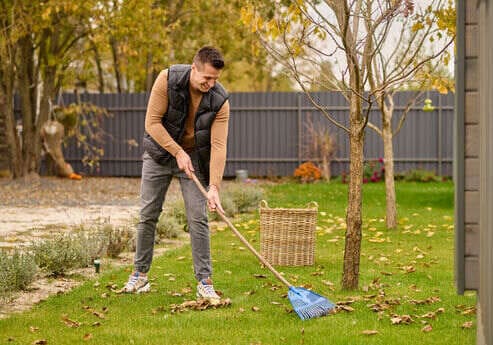
For example, rather than completing several hours of yardwork at once, divide the job into shorter periods with rest or position changes in between. When walking, choose a distance that allows you to maintain a comfortable and controlled stride rather than continuing until your movement becomes strained.
Pacing does not mean you have to avoid challenging yourself. It means gradually building your tolerance while paying attention to how your body responds. A physical therapist can help you determine an appropriate starting point and show you how to progress without increasing activity too quickly.
Know When Discomfort Needs Attention
Some mild muscle soreness or stiffness can occur when you begin a new activity or return to exercise after a period of inactivity. That does not necessarily mean the activity is damaging your joints.
However, you should not assume that every type of pain is something you need to push through. Sharp or rapidly increasing pain, significant swelling, joint instability, locking, buckling, or pain that causes you to limp or change how you move should be taken seriously.
You should also reconsider an activity when your symptoms remain noticeably worse rather than settling with reasonable recovery. Dizziness, unusual weakness, nausea, confusion, or feeling faint during hot-weather activity are also signs that you should stop and move to a cooler environment.
If an activity consistently aggravates your symptoms, the solution may be to adjust the resistance, duration, frequency, surface, technique, or type of movement. The activity itself is not always the problem. Sometimes the starting level simply does not match your present capacity.
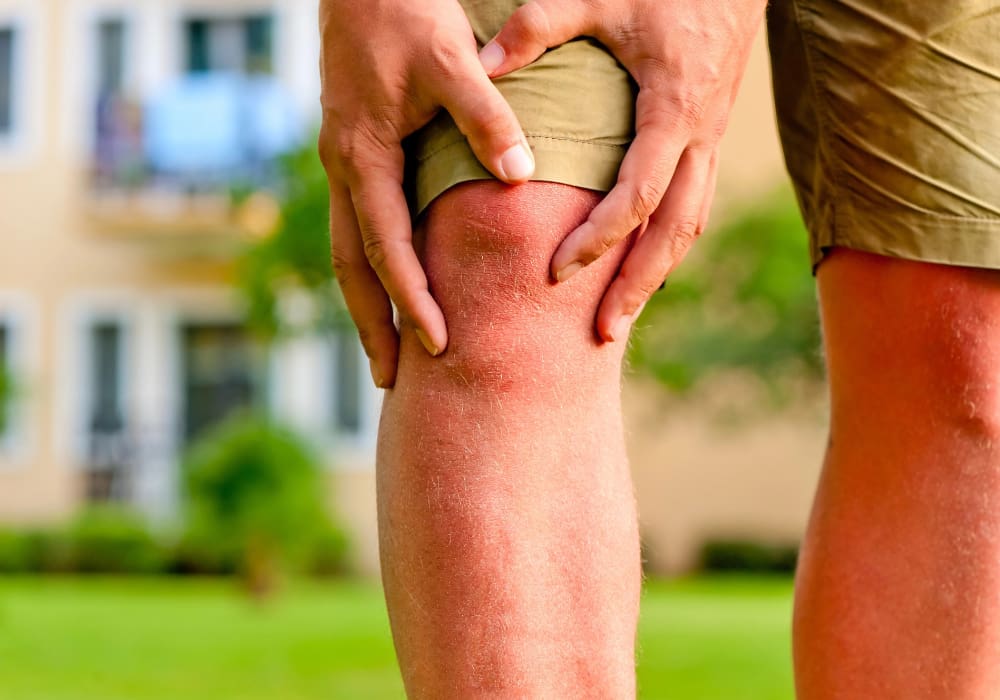
A suddenly hot, red, severely swollen joint, especially when accompanied by fever or feeling generally unwell, should receive prompt medical attention rather than being treated as an ordinary arthritis flare-up.
Strengthen the Muscles That Support Your Joints
Arthritis affects the joints, but muscle strength has a major influence on how comfortably and confidently you move. When supporting muscles are weak, everyday activities may place more demand on an already painful area.
For someone with knee arthritis, a strengthening program may include carefully selected exercises for the quadriceps, hamstrings, hips, and gluteal muscles. These muscles contribute to stability during walking, standing, and stair climbing.
For hip arthritis, treatment may focus on hip and core strength, balance, flexibility, and walking mechanics. Shoulder arthritis may require exercises that improve shoulder-blade control and strengthen the muscles responsible for lifting and rotating the arm. Hand arthritis may be addressed with gentle mobility exercises, grip modifications, and strategies designed to support daily tasks.
The specific exercises matter. An exercise that is helpful for one person may be uncomfortable or inappropriate for someone with a different diagnosis, recent surgery, level of inflammation, or movement limitation.
At Direct Physical Therapy, your program is based on how you move, where you feel restricted, which muscles need support, and what you want to return to doing. The objective is not to hand you a generic arthritis routine. It is to create a plan that makes sense for your body and your life.
Adjust Your Activity for Summer Heat
Heat and humidity do not automatically mean you need to stop exercising, but they can change how demanding an activity feels. Exercising in hot conditions increases the risk of dehydration and heat-related illness, so summer movement requires additional planning.
Whenever possible, plan outdoor activities for the morning or evening rather than the hottest part of the day. Choose shaded routes, wear lightweight clothing, take regular breaks, and keep water available.
Begin at a slower pace than you might use in cooler weather. Stop the activity and move to a cool place if you begin to feel faint, weak, nauseated, confused, or unusually unwell.
People who have medical conditions that affect fluid intake or take medications such as diuretics should follow the hydration instructions provided by their healthcare professional rather than relying only on general recommendations.
Indoor exercise can also be a sensible alternative on extremely hot or humid days. A stationary bicycle, home exercise program, community pool, or temperature-controlled walking area can help you remain consistent without unnecessary heat exposure.
Make Recovery Part of Your Activity Plan
Recovery is not a sign that your exercise program is failing. It is part of building a sustainable routine.
Gentle movement after a walk, gardening session, or active day may help you avoid becoming excessively stiff. Changing positions regularly can also be useful during long car rides, gatherings, or days when you are sitting for extended periods.
Heat and cold may provide temporary symptom relief for some people. Heat can feel helpful when a joint or the surrounding muscles are stiff, while cold may be more comfortable when an area feels irritated or swollen. These methods should be used safely, with a protective layer between the skin and the heat or cold source.
Because arthritis symptoms vary, a physical therapist or another healthcare professional can help you determine which approach may be appropriate for you. Sleep, hydration, activity pacing, and consistency can also affect recovery.
One strenuous day followed by several days of inactivity is often less helpful than a realistic routine you can maintain throughout the week. Sustainable progress usually comes from doing a manageable amount regularly rather than trying to make up for lost time.
How Physical Therapy for Arthritis Can Help
Physical therapy may be helpful when arthritis pain interferes with your daily routine, limits activities you enjoy, or makes you uncertain about how to exercise safely.
During an evaluation, a physical therapist may assess your joint mobility, flexibility, muscle strength, endurance, balance, stability, and walking patterns. The therapist may also look at how you climb stairs, lift objects, reach, stand from a chair, or perform other activities that are important in your everyday life.
Your treatment plan may include therapeutic exercise, mobility work, balance training, movement education, hands-on techniques, and recommendations for modifying activities at home, at work, or during recreation.
Physical therapy does not promise to eliminate every arthritis symptom. Its purpose is to help you move more effectively, improve function, manage symptoms, and develop strategies that support your independence and quality of life.
Physical therapy can also help you prepare for a more active summer, return to movement after a flare-up, or rebuild confidence after pain has caused you to avoid certain activities. Instead of guessing which exercises are safe or helpful, you can work with a professional who understands your limitations and goals.
Stay Active With Support From Direct Physical Therapy
Arthritis may change how you approach summer activities, but it does not have to prevent you from enjoying the season. The right combination of joint-friendly movement, strengthening, pacing, heat awareness, and recovery can help you remain active while responding appropriately to your symptoms.
You also do not have to determine the right routine by yourself.
If joint pain, stiffness, weakness, or reduced mobility is making it harder to walk, exercise, work, travel, or participate in activities you enjoy, Direct Physical Therapy is here to support you. We provide personalized physical therapy for arthritis based on your condition, your abilities, and the goals that matter to you.
Contact Direct Physical Therapy near Midland Avenue in Southeast Yonkers to schedule an evaluation and begin working toward greater comfort, confidence, and function.